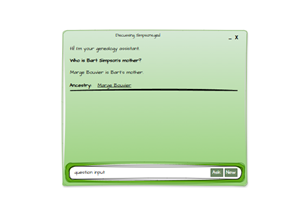
This follows on from: Generative AI for Genealogy – Part VIII
External LLMs, Adaptors, Routing & Redaction
By this point in the series, we’ve spent a lot of time with GPT4All — our loyal, slightly eccentric house‑guest who tries very hard but occasionally answers like it’s been woken from a nap. Back in Part VII, I hinted at the grander vision: a system that doesn’t just rely on one model, but can seamlessly tap into external LLMs when needed.
Why bother with paid LLMs? Well, let’s be honest:
- They actually understand the task, unlike Reasoner V1 or Llama 3.2 1B, which sometimes behave like they’re guessing the answers on a quiz they didn’t study for.
- They’re fast. Reasoner V1 can take 14 seconds to answer a question that GPT fires back instantly. In AI terms, that’s the difference between “pleasantly responsive” and “I’ve aged a year waiting for this.”
But before we can unleash the power of cloud LLMs, we need to tackle a few practicalities:
- External LLMs require API keys (because freeloaders exist).
- Each LLM speaks its own dialect of “API‑ish”.
- And — crucially — we must handle living people’s data in a compliant, brand‑safe way.
Let’s dive in.