Enter Vibe‑Coding
I’ve spent years rolling my eyes at the hype — the breathless “I built a SaaS unicorn in 14 minutes using vibes and a Chrome extension” posts. I’ve used GitHub Copilot for ages, mostly to fix things or finish small methods, but I’d never tried letting an AI build something from scratch.
Until a few days ago.
I created a new project. And this one didn’t whisper “enterprise architecture” or “multi‑tiered domain model.”
It screamed SPA — a single‑page app.
A chat interface.
No page navigation.
Everything dynamic via AJAX calls. Occasional modal popups for flavour. The kind of thing I could build manually, but why not see what the machines could do?
The Mic‑Drop Moment
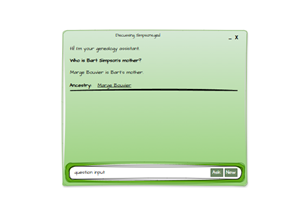
So I handed GPT5‑Codex an empty /index.html, css/index.css, and js/index.js, a screenshot from the blog and the instruction “build this.”
And it did.
There were moments of genuine delight. Was it faster than me? Absolutely. Would I use this approach again? Without hesitation.
But, and this is important, the AI takes things literally. Painfully literally. It doesn’t have the instincts developers build over years of debugging at 2am while whispering threats at a misbehaving div. It doesn’t anticipate. It doesn’t question. It just… does.
Here’s the page it produced, complete with sign‑in. I asked it to call the APIs I’d already built, and it wired everything up without breaking a sweat.
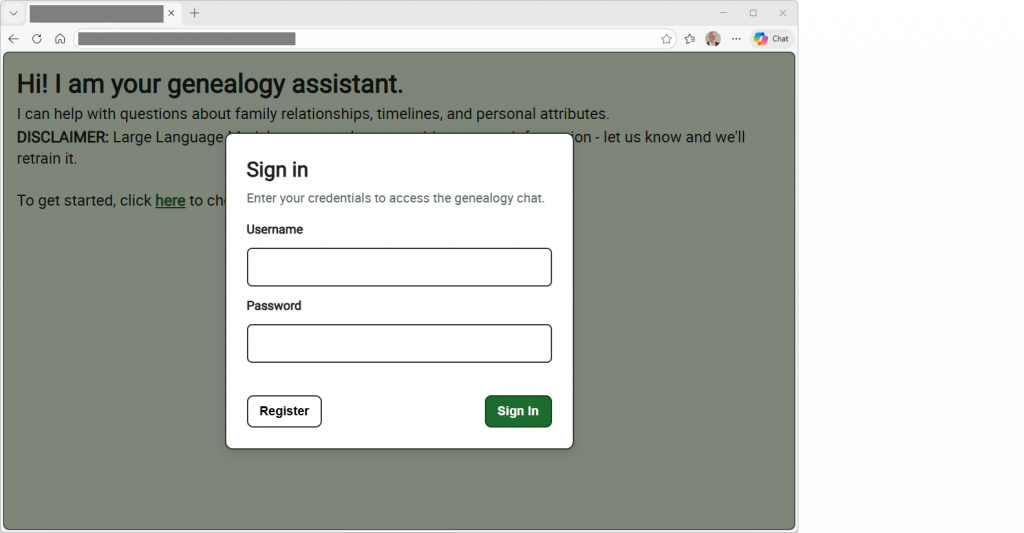
But here’s the catch: it didn’t add real validation. It didn’t ask whether I wanted it. It didn’t pause and think, “Hmm, maybe users shouldn’t be able to sign in with an empty password field.” It simply followed instructions like a very obedient intern who has never once touched production.
And that’s the thing newcomers need to understand. The magic isn’t in what it does — it’s in what it doesn’t do unless you explicitly ask.